Industry focus
Import and Export Trade Accounting
International traders, distributors, customs brokers, and cross-border e-commerce operators: we handle transfer pricing, foreign tax credits (Form 1116), and FinCEN compliance, protecting your business on every side of the transaction.
How we work with this industry
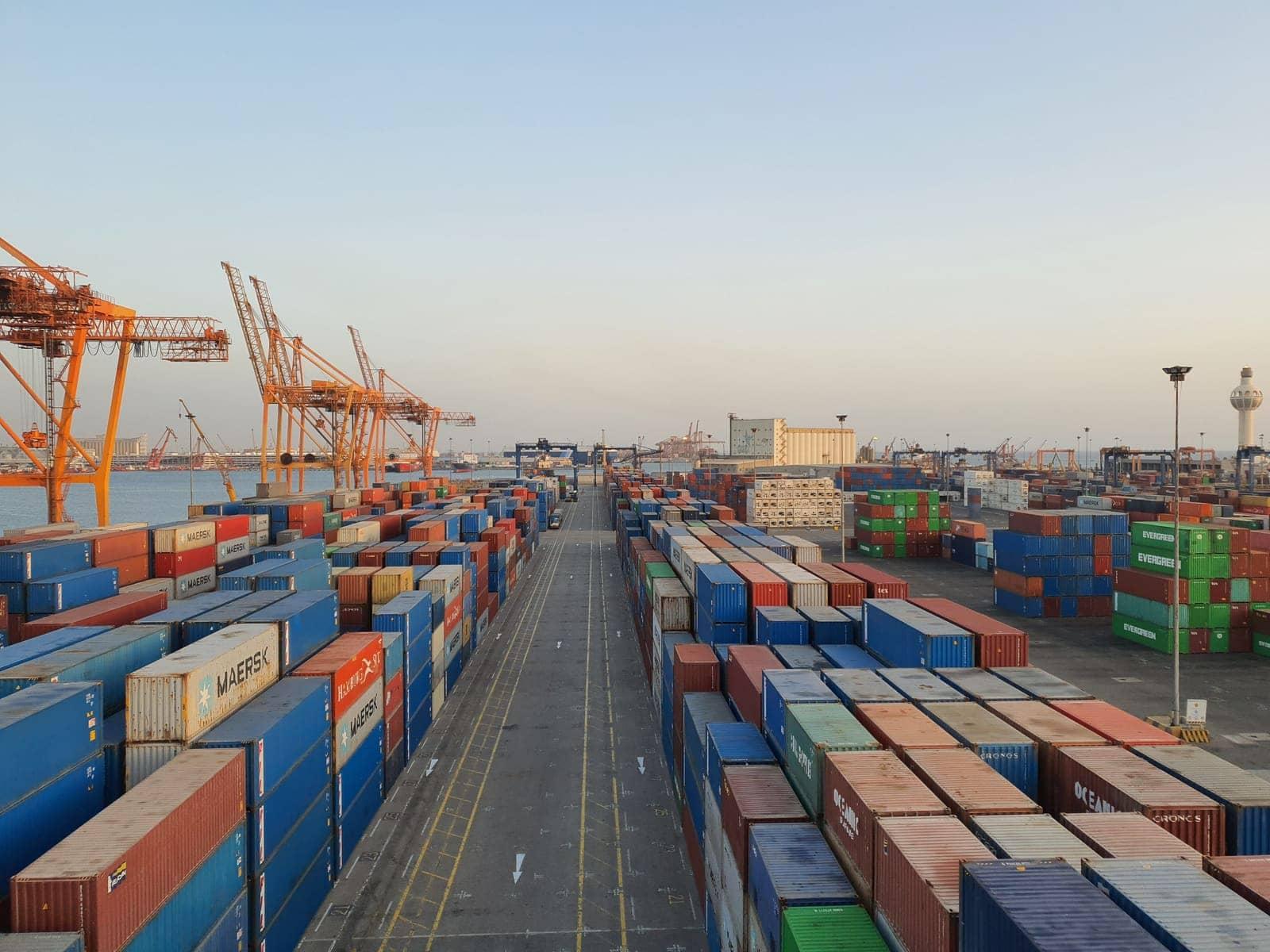
Importers and exporters carry costs that do not behave like ordinary expenses. Duties, freight and customs charges generally belong in the cost of the goods rather than in overhead, and getting that wrong distorts margin on every unit. Add foreign currency movement and payments to overseas suppliers and the reporting widens further. We keep landed cost accurate and the international reporting complete.
The difficulty is timing. The customs broker invoices weeks after the container clears, freight settles on its own schedule, and by then the goods may already be sold. A shipment costed only at year end leaves every interim margin report wrong in the meantime. We attach duty, freight, brokerage, and insurance to the shipment they belong to as the documents arrive, so cost of goods sold means something mid-year, not only after the books close.
Then there is the cross-border reporting, which is where the surprises live. A U.S. company at least a quarter owned by one foreign person, and a U.S. LLC owned entirely from abroad, generally files Form 5472 and has to show its transactions with the related party. Where the U.S. entity is that single-member LLC, the reporting reaches even money the owner simply wired in. Payments to foreign agents and service providers raise documentation and withholding questions before the money moves, while payments for the goods themselves usually do not. Foreign taxes paid may support a credit, on Form 1118 for a corporation or Form 1116 for an individual owner, and accounts held abroad may reach FBAR.
What We Do
What We Handle for Importers and Exporters
The books and the filings a shipment touches, from the entry paperwork through to the return.
Landed Cost and Inventory Costing
Duty, freight, brokerage, and insurance attached to the shipment they came with, so the margin you read per unit reflects what the goods cost to get here.
Foreign-Owned Entity Filings
Form 5472 filed with the entity return, or with the pro forma Form 1120 a foreign-owned LLC files in its place, supported by a running record of transactions with the related party rather than a reconstruction attempted after the year has closed.
Payments to Foreign Suppliers and Agents
W-8 documentation collected before money moves where a payment can carry withholding, the answer reviewed on the facts rather than assumed, and the year-end reporting prepared where a payment calls for it.
Related Party Pricing
What the U.S. company pays its affiliate abroad, documented as it happens, because the price between two entities under the same ownership is the first thing anyone examines.
Foreign Accounts and Cash Receipts
FBAR review for accounts held outside the U.S., and Form 8300 handled when a buyer pays in cash above the reporting threshold.
U.S. Entity Setup for Foreign Owners
The EIN and the ITIN work handled in house as a Certifying Acceptance Agent, with the books and the reporting standing from day one, so an owner abroad starts out filing properly. We coordinate with your attorney or registered agent on the entity itself.
Common Problems
Where Import and Export Books Go Wrong
Four failures that surface long after the container was delivered.
Landed Cost Trued Up Once a Year
The broker invoice arrives after the goods are sold. If it is only allocated at year end, every margin report you made decisions from during the year was wrong.
Related Party Transactions Nobody Tracked
Form 5472 wants a record of what moved between the U.S. entity and its foreign owner, advances and reimbursements included. Rebuilding that from memory after the year closes is the expensive way.
Paying a Foreign Agent With No Documentation
No W-8 on file, so the withholding and reporting questions surface after the funds are gone, along with any leverage you had to collect the paperwork.
Cash Taken In and Never Reported
Cash payments above the reporting threshold create a filing obligation for the business receiving them. It belongs to the seller, not the buyer, and a legitimate sale does not remove it.
Services we offer in this industry
The services most often used by businesses in this industry. Each one is led by an Enrolled Agent.
Related industries
Technology & SaaS Startups
Software companies, app developers, tech founders, cybersecurity firms, and AI startups: burn rate, equity comp, R&D credits, and multi-state nexus. We speak startup, with investor-ready financials and a tax strategy built to scale with you.
Real Estate & Property Management
Investors, landlords, developers, HOAs, property managers, mortgage brokers, title companies, and hard money lenders: we maximize your depreciation, navigate passive loss rules, and structure every deal to keep more money in your pocket.
Law Firms & Legal Services
Solo practitioners, multi-partner firms, legal consultants, and mediation services: we structure partner draws, manage trust accounting, and build tax strategies that protect what you've worked hard to earn.
Related guides
Form 8300: Report Cash Payments Over $10,000 Within 15 Days
Any trade or business that receives more than $10,000 in cash in one or related transactions must file Form 8300 within 15 days, notify the payer by January 31, and e-file once it files 10 other information returns.
Form 5472: Who Must File and Why the $25,000 Penalty Repeats
The IRS assesses $25,000 when a reporting corporation misses Form 5472, then another $25,000 for each 30-day period after the 90-day notice window. Who files, what counts as reportable, and how the deadline works.
Common questions
Questions we hear in this industry
Straight answers, from an Enrolled Agent.
Contact Us
Need help in your industry?
Talk to us about how we can help you stay compliant and grow.