

Question: Is 100% bonus depreciation permanent, and what is the 2026 Section 179 limit?
100% Bonus Depreciation Is Permanent: 2026 Section 179 Cap $2,560,000
Public Law 119-21 made the 100% first year deduction permanent for qualified property acquired after January 19, 2025, and set the 2026 Section 179 cap at $2,560,000 with the phase down starting at $4,090,000.
Tax Planning15 min read
 By Joanny Ibarbia, EA · CAA

Quick answer
Yes. Public Law 119-21 made the 100% first year depreciation deduction permanent for qualified property acquired after January 19, 2025, so there is no scheduled step down. Section 179 expensing runs alongside it: the maximum is $2,500,000 for tax years beginning in 2025 and $2,560,000 for 2026, reduced dollar for dollar once section 179 property placed in service passes $4,000,000 in 2025 or $4,090,000 in 2026. Both figures are indexed for inflation for tax years beginning after 2025.
Key points
- Public Law 119-21 made the 100% first year depreciation deduction permanent for qualified property acquired after January 19, 2025
- For tax years beginning in 2026 the Section 179 maximum is $2,560,000 and it drops dollar for dollar once section 179 property placed in service passes $4,090,000
- For tax years beginning in 2025 the maximum is $2,500,000 and the cut starts at $4,000,000. Both figures are indexed for inflation after 2025
- A taxpayer can elect a 40% allowance (60% for long production period property and certain aircraft) only in the first tax year ending after January 19, 2025
- Heavy sport utility vehicles carry a separate Section 179 ceiling: $31,300 for 2025 and $32,000 for 2026
What did the One Big Beautiful Bill change about first year depreciation?
Two provisions moved at once. The full first year write off returned: the IRS depreciation guide credits P.L. 119-21, the One Big Beautiful Bill Act, with reinstating the 100% special depreciation allowance for qualified business property that is both acquired and placed in service after January 19, 2025, and it extends the same treatment to long production period property, certain aircraft, and specified plants bearing fruits and nuts.[1] The same law also enlarged Section 179, lifting the ceiling from $1,000,000 to $2,500,000 for property placed in service in tax years that begin after December 31, 2024, with every dollar figure in that section now indexed for inflation for tax years beginning after 2025.[3]
The date test has two halves and both matter: acquisition and placed in service must each fall after January 19, 2025 for the 100% allowance to apply.[6] Property acquired before January 20, 2025 stays on the older step down schedule, so two nearly identical machines bought weeks apart can carry very different first year deductions. Sorting that out is tax planning work that belongs in the fall, not at filing time.
Is 100% bonus depreciation permanent, or does it phase down again?
It is permanent. The IRS summary of the law describes "a permanent 100-percent additional first year depreciation deduction for qualified property acquired after January 19, 2025", with no reduction scheduled in the provision.[2] That ends the annual guessing game the old phase down created, when the allowance dropped a step each year and equipment budgets had to be timed against the calendar rather than the business.
One reduced rate survives, and it is elective rather than automatic. A taxpayer may choose a 40% special depreciation allowance, or 60% for long production period property and certain aircraft, instead of the 100% allowance, and only in the first tax year ending after January 19, 2025.[6] After that year the remaining choice is different in kind: an owner elects out of the allowance for an entire class of property, and that election generally cannot be revoked without IRS consent. Owners expecting materially higher income later, or filing in states that do not follow the federal allowance, are the ones who run the comparison.
Which property qualifies for the 100% allowance?
- Tangible property with a MACRS recovery period of 20 years or less, which is where most machinery, equipment, office furniture, computers, and shop tools land[7]
- Computer software depreciated under section 167(f)(1) of the tax code, and water utility property[7]
- Qualified film, television, and live theatrical productions, plus qualified sound recording productions whose production commenced in tax years ending after July 4, 2025[7]
- New and used property alike, so a used excavator bought from an unrelated seller can carry the full allowance[7]
- Specified plants bearing fruits and nuts planted or grafted after January 19, 2025, which is a grove and nursery rule rather than an equipment rule[1]
Two limits catch owners off guard. Section 179 has a business use test: when property serves both business and personal purposes, the election is available only if business use is more than 50% in the year the property is placed in service, and only the business share of the cost is expensed.[10] Property that must be depreciated under the Alternative Depreciation System cannot take the special allowance at all, and property placed in service and disposed of in the same tax year is excluded.
The two regimes also do not cover the same assets. Land and land improvements never qualify for Section 179, and buildings generally do not either, with one deliberate exception: an owner can elect to treat qualified real property as section 179 property, which pulls in qualified improvement property plus roofs, heating and air conditioning, fire protection and alarm systems, and security systems added to a nonresidential building.

How much can Section 179 expense in 2025 and 2026?
| Section 179 limit | Tax years beginning in 2025 | Tax years beginning in 2026 |
|---|---|---|
| Maximum expense deduction | $2,500,000 | $2,560,000 |
| Reduction starts once section 179 property placed in service exceeds | $4,000,000 | $4,090,000 |
| Ceiling on a heavy sport utility vehicle | $31,300 | $32,000 |
The dollar ceiling is only the first gate. Once purchases cross the threshold the maximum falls dollar for dollar: a 2026 tax year with $4,090,000 of section 179 property starts eating into the $2,560,000 ceiling immediately, and a large fleet or plant expansion can wipe the election out entirely.[5] The same mechanic runs off $2,500,000 and $4,000,000 for tax years beginning in 2025.[4] Because the amounts are indexed annually for tax years beginning after 2025, the thresholds move and a plan built on last season's numbers will be wrong.[3]
Income is the second gate, and it is the one that surprises people. In the depreciation guide, the total cost deductible after the dollar limit is "limited to the taxable income from the active conduct of any trade or business during the year", and any cost disallowed by that limit carries to the next year rather than disappearing. The special allowance is computed differently: the guide calls it "an additional deduction you can take after any section 179 deduction and before you figure regular depreciation under MACRS", figured from depreciable basis rather than from taxable income. That is why a low income year tends to shift the deduction toward the allowance and away from Section 179.

Should I claim Section 179 or bonus depreciation first?
- Elect Section 179 first on the specific assets you want to control, up to $2,500,000 for tax years beginning in 2025 or $2,560,000 for 2026[4][5]
- Apply the 100% allowance to whatever basis remains on qualified property acquired and placed in service after January 19, 2025[1]
- Test the income limit before you commit, because the Section 179 deduction cannot exceed taxable income from the active conduct of a trade or business and the excess carries to the next year
- Record which assets ran through each regime, since disposition gain is recaptured as ordinary income up to the deduction previously allowed and the two are tracked separately
- Confirm state treatment on its own, because conformity to the federal allowance varies and the federal and state depreciation schedules can diverge for years
Order matters because the two elections work in opposite directions. Section 179 is chosen asset by asset, so an owner picks exactly which items to expense and how much of each. The special allowance is the default for a whole class of property unless the owner elects out of that class. That asymmetry is the planning lever: a business that wants a smaller current deduction keeps assets out of Section 179 and elects out of the allowance for the class, while a business that wants the largest first year deduction runs Section 179 up to the ceiling and lets the allowance clear the rest. Running both paths across several years, against projected income and any state that does not conform, is advisory solutions work rather than a decision to make while a return is being keyed in.
Can I write off a truck or SUV in the first year?
It depends on the weight class, and the gap between classes is wide. A passenger automobile is "any four-wheeled vehicle made primarily for use on public streets, roads, and highways and rated at 6,000 pounds or less of unloaded gross vehicle weight", and for a passenger automobile the depreciation deduction, counting both the Section 179 election and the special allowance, is capped by an annual ceiling. A sedan used for client visits will not produce a full first year write off no matter which label the deduction carries.
Heavier vehicles sit outside that ceiling but run into a separate Section 179 rule. A taxpayer "cannot elect to expense more than $31,300 of the cost of any heavy sport utility vehicle (SUV) and certain other vehicles placed in service in tax years beginning in 2025", and the rule reaches four wheeled vehicles rated at more than 6,000 pounds and not more than 14,000 pounds gross vehicle weight.[9] For tax years beginning in 2026 the ceiling is $32,000.[5] The cap constrains Section 179 only: basis left after the capped election can still take the 100% allowance when the vehicle is qualified property.[6]
Three carve outs escape that ceiling entirely: a vehicle designed to seat more than nine passengers behind the driver seat, one with a cargo area of at least six feet in interior length that is not readily accessible from the passenger compartment, and one with an integral enclosure fully enclosing the driver compartment and load carrying device that also carries no seating behind the driver seat. Cargo vans usually land in that last group. A crew cab pickup does have seating behind the driver, so it clears the ceiling only on the length of its bed, which is why the carve out has to be tested vehicle by vehicle rather than assumed. Business use still has to exceed 50%,[10] and if it later drops to that level or below, excess depreciation is recaptured into income.

What is qualified production property, and who can claim it?
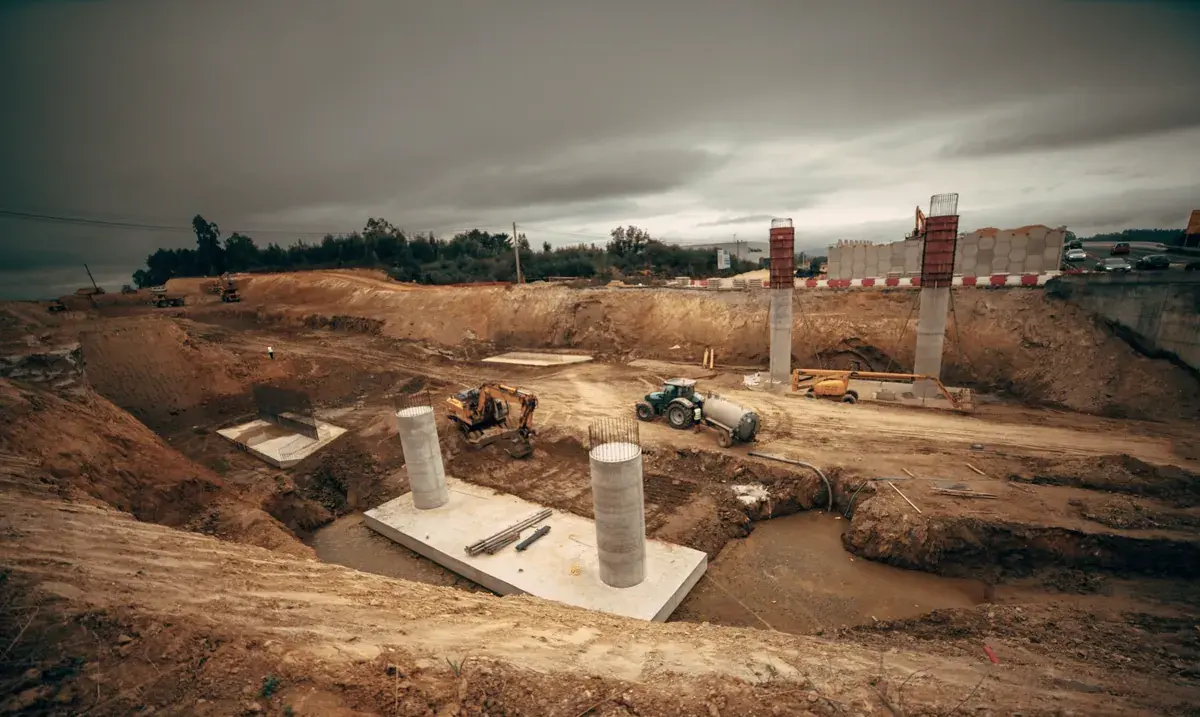
This is the newest of the three regimes and the least understood. The same law added section 168(n), an elective special depreciation allowance for qualified production property: property placed in service after July 4, 2025 whose construction began, or that was acquired, after January 19, 2025 is eligible for a 100% allowance.[8] What makes it unusual is the asset type. It is nonresidential real property, the building itself, rather than the equipment inside it.
Both ends of the window are fixed, and that is the part short summaries leave out. Eligible property has to be constructed beginning after January 19, 2025 and before January 1, 2029, and placed in service in the United States or a United States territory after July 4, 2025 and before January 1, 2031.[11] A project that breaks ground in 2029, or that is not in service before 2031, sits outside the provision no matter how well it fits the rest of the test, which makes the construction calendar itself a tax decision.
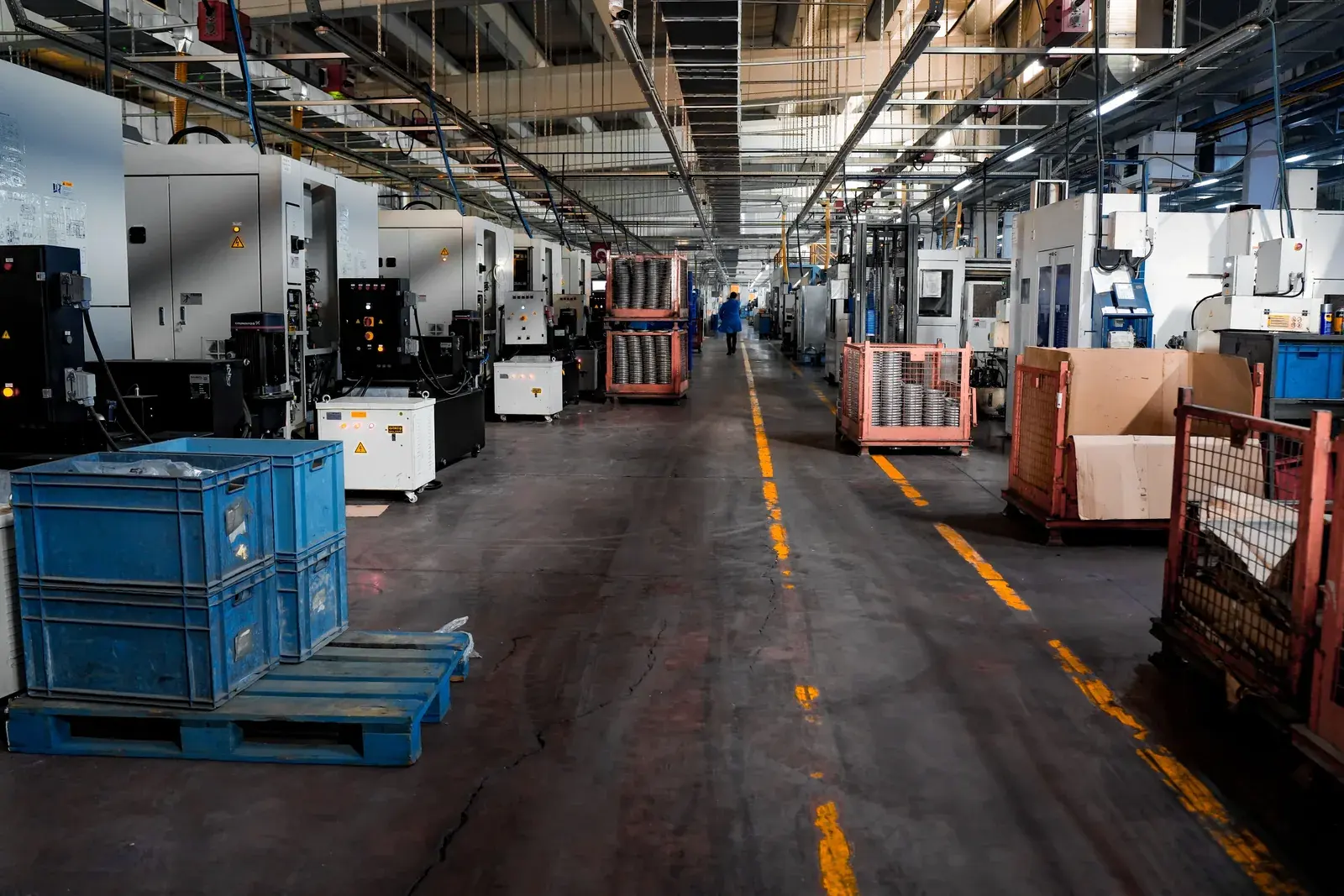
The building has to be used as an integral part of a qualified production activity, which the guide defines as "the manufacturing, production, or refining, of a product of tangible personal property, that results in a substantial transformation of the property comprising the product". Space used for offices, research activities, or storage of finished goods is ineligible, so a plant with a front office is designated by portion rather than as a whole. The election is made by attaching a statement to a timely filed return, it cannot be revoked except in extraordinary circumstances, and a change of use inside the recapture window pulls the entire allowance back into ordinary income even if the building is never sold.
What does this mean for capital intensive businesses in South Florida?
Any business whose balance sheet is mostly equipment feels this first. A contractor financing an excavator, a restaurant group replacing a kitchen line, a practice buying imaging equipment, and a carrier cycling tractors all face the same arithmetic: the cost lands in the purchase year instead of spreading across a recovery period that can run to 20 years.[7] On a financed asset the deduction can arrive years before the loan is repaid, which is a cash flow event as much as a tax one.
Two cautions travel with the benefit. The deduction reduces basis, so gain on a later sale is larger and is recaptured as ordinary income up to the allowance previously allowed, and selling a fully expensed truck two seasons later can produce a bill the owner did not plan for. State conformity is a separate question, so a business filing in more than one state needs each state calculation run on its own.
Contractors and restaurant groups see the largest swings here, and the fixed asset register is where the planning starts, whether the work is construction + contracting tax help or restaurant + food-service tax help. The research half of the same law is covered in the Section 174A R&D expensing guide, and the whole package is summarized in the One Big Beautiful Bill Act tax changes guide.
What should you check before year end?
- Confirm the acquisition date and the placed in service date on every asset, because both have to fall after January 19, 2025 for the 100% allowance[6]
- Run the phase down math against your real purchase total, since crossing $4,090,000 in a 2026 tax year immediately cuts into the $2,560,000 ceiling[5]
- Separate vehicles by weight class before you budget the deduction, because the $31,300 and $32,000 ceilings are Section 179 rules rather than limits on the allowance[9][5]
- Decide whether the 40% election for the first tax year ending after January 19, 2025 is still available to you, and document the choice in the file[6]
- Ask whether a building project could qualify as qualified production property under section 168(n) before construction is finished, not after[8]
None of this reaches a return on its own. The allowance and the Section 179 election are both reported on the depreciation form, several of the choices exist only if a statement is attached to a timely filed return, and an election out is generally irrevocable without IRS consent. That paperwork is what gets missed when the purchase decision is made in December and the return is prepared in March, which is why the fixed asset records and the business tax return preparation engagement need to be looking at the same list.
Frequently asked questions
Is 100% bonus depreciation permanent under the One Big Beautiful Bill?
Yes. The IRS summary of the law calls the deduction permanent: a 100-percent additional first year depreciation deduction for property acquired after January 19, 2025, plus specified plants planted or grafted after that date. No phase down is scheduled. The only reduced rate left is elective: a 40% allowance, or 60% for long production period property and certain aircraft, and only in the first tax year ending after January 19, 2025.
What is the Section 179 deduction limit for 2026?
For tax years beginning in 2026 the maximum Section 179 expense deduction is $2,560,000 and it starts shrinking dollar for dollar once section 179 property placed in service in the year costs more than $4,090,000. The separate ceiling on a heavy sport utility vehicle for those years is $32,000.
What is the Section 179 limit for 2025?
For tax years beginning in 2025 the maximum is $2,500,000 and the reduction begins once section 179 property placed in service in the year costs more than $4,000,000. The sport utility vehicle ceiling for those years is $31,300. The One Big Beautiful Bill raised the maximum from $1,000,000. Because the amounts are indexed for inflation for tax years beginning after 2025, the 2026 figures came in higher.
Can I claim both Section 179 and the 100% allowance on the same asset?
Not on the same dollar of cost. Section 179 is elected asset by asset and reduces depreciable basis first; the special allowance then applies to the basis that remains. In practice owners use Section 179 where they want to control the exact amount, then let the 100% allowance clear the rest of the qualified property acquired and placed in service after January 19, 2025. The mix depends on entity income, state conformity, and recapture exposure.
Can I still elect a 40% allowance instead of 100%?
Only in the first tax year ending after January 19, 2025. In that year a taxpayer can elect a 40% special depreciation allowance, or 60% for long production period property and certain aircraft, instead of the 100% allowance. After that year the alternative is different: electing out of the allowance for an entire class of property, which generally cannot be revoked without IRS consent.
Does a heavy SUV qualify for the full first year write off?
Partly. A vehicle rated at more than 6,000 pounds gross vehicle weight is outside the passenger automobile ceiling, but Section 179 caps the expense election at $31,300 for tax years beginning in 2025 and $32,000 for 2026. Basis left after that capped election can still take the 100% allowance when the vehicle is qualified property and business use is more than 50%.
Sources
- Publication 946, How To Depreciate Property · Internal Revenue Service
- Working Families Tax Cuts · Internal Revenue Service
- Working Families Tax Cuts · Internal Revenue Service
- Publication 946, How To Depreciate Property · Internal Revenue Service
- Publication 946, How To Depreciate Property · Internal Revenue Service
- Publication 946, How To Depreciate Property · Internal Revenue Service
- Publication 946, How To Depreciate Property · Internal Revenue Service
- Publication 946, How To Depreciate Property · Internal Revenue Service
- Publication 946, How To Depreciate Property · Internal Revenue Service
- Publication 946, How To Depreciate Property · Internal Revenue Service
- Publication 946, How To Depreciate Property · Internal Revenue Service
Continue reading
Section 168(n) Qualified Production Property: 100% First-Year Depreciation on New Factories
Section 168(n), added by the One Big Beautiful Bill Act, lets a manufacturer, refiner, or agricultural producer elect a 100 percent first-year depreciation deduction on qualified production property placed in service after July 4, 2025, and before January 1, 2031.

One Big Beautiful Bill Tax Guide: The 2026 Provisions That Actually Change Business and Family Filings
The One Big Beautiful Bill Act restored 100 percent first-year depreciation for property placed in service after Jan. 19, 2025, revived immediate expensing of domestic research costs, and reset the Section 179 caps for 2025 and 2026.

QSBS Section 1202: Exclude Up to 100% of Gain on C Corp Stock
Section 1202 lets shareholders of a domestic C corporation exclude qualified small business stock gain. The gross asset ceiling is $75 million for stock issued after July 4, 2025, and $50 million for stock issued on or before that date.
About the author
Founder & Principal · Enrolled Agent (EA)
Joanny Ibarbia is an Enrolled Agent with unlimited rights to represent taxpayers before the IRS, and a Certifying Acceptance Agent for ITIN applications. He leads the bilingual tax and accounting practice at Top Pro Accounting.
- EA
- CAA
- Harvard Certified
- QuickBooks ProAdvisor
Image credits
- Photo by cottonbro studio Pexels
- Photo by J E Pexels
- Photo by Tiger Lily Pexels
- Photo by Mathias Reding Pexels
- Photo by Tanhauser Vázquez R. Pexels